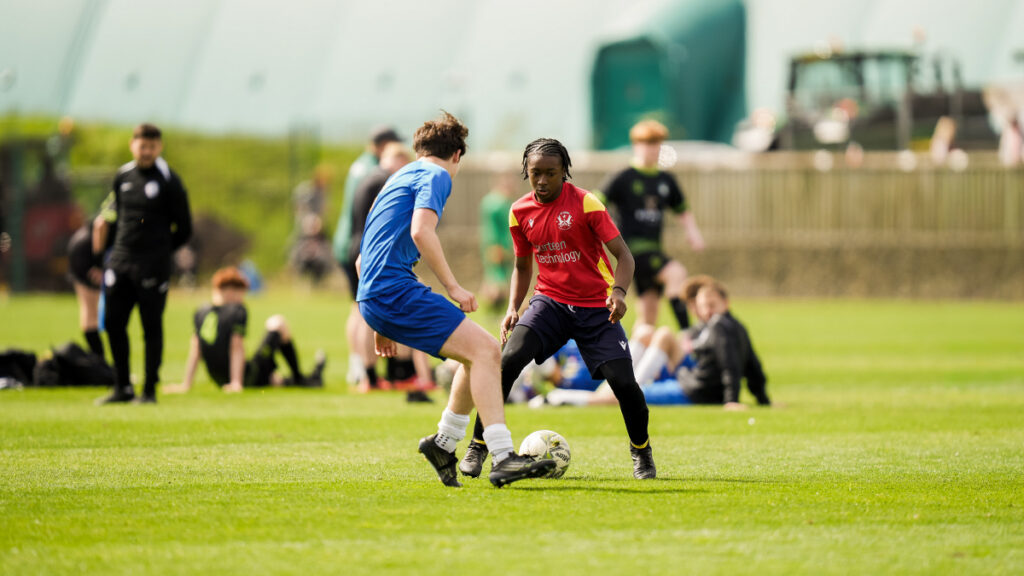

What you eat before a match can make a big difference to how you feel when you step onto the pitch or court. The aim? To arrive at kick-off feeling energised, hydrated and ready to give it your all! Whether you’re a footballer, rugby player, netballer or another young athlete, there’s no need to make pre-match food complicated. Stick with familiar foods that give you a good energy boost and won’t leave your stomach feeling uncomfortable.
A great pre-match meal will usually include plenty of carbohydrate-rich foods to power your performance, a moderate amount of protein and enough fluids to keep you hydrated. What works best can depend on when your match starts, what you normally eat and, most importantly, what your body is used to. Match day is definitely not the time to try a random new food or experiment with something you’ve never eaten before!
What should young players eat before a match?
When it comes to choosing a great pre-match meal, the best place to start is with foods a young player already knows and gets on well with. Carbohydrates are especially useful before exercise because they provide the body with a handy source of energy to help you feel ready to run, jump, tackle and play!
Here are some simple pre-match meal ideas to get you started:
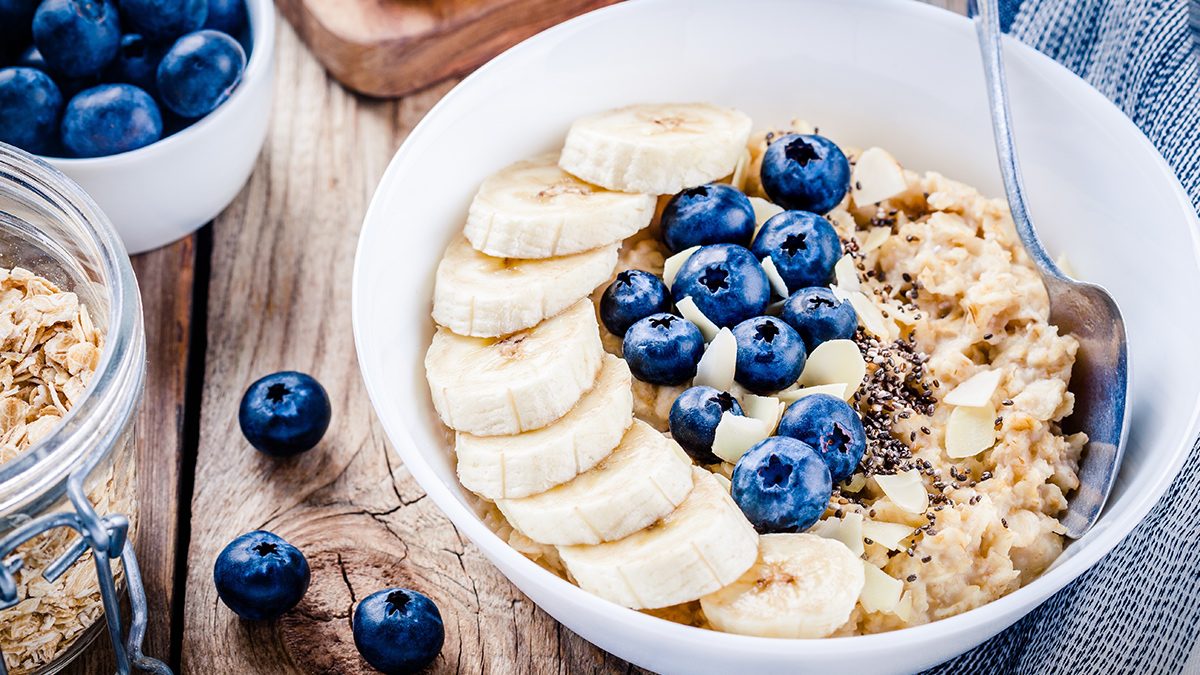
- Porridge with banana and milk
- Cereal with milk and fruit
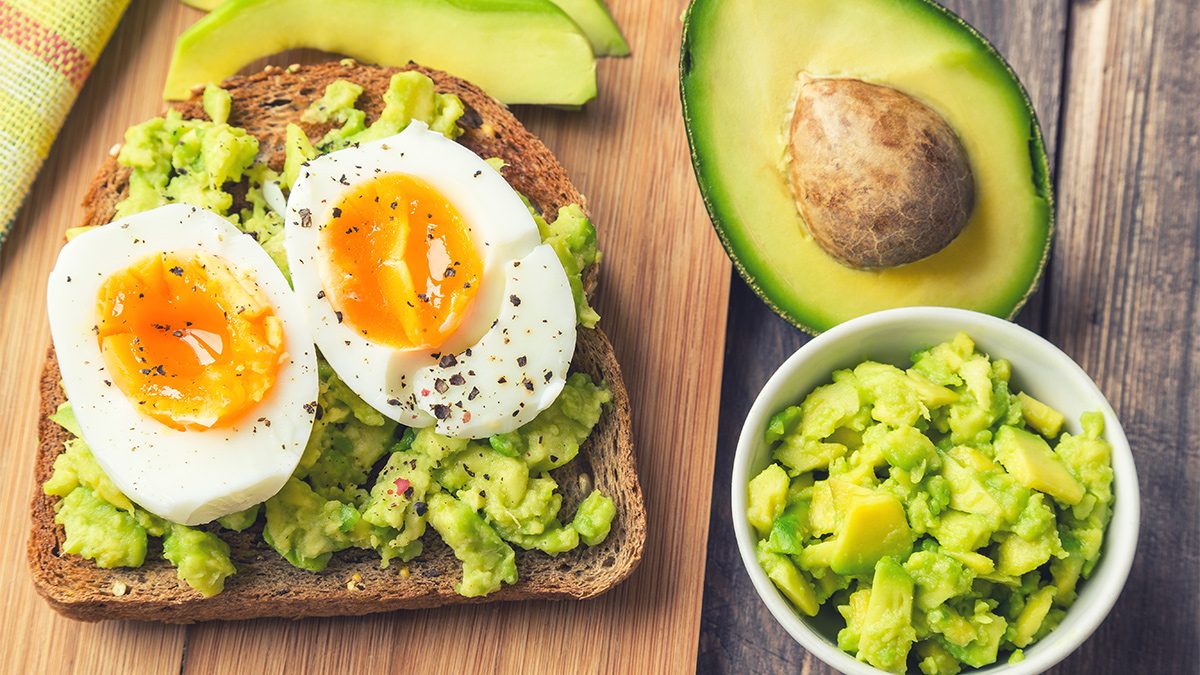
- Toast with eggs and fruit
- Pasta with a simple tomato sauce and chicken
- Rice with chicken and vegetables
- A baked potato with beans or chicken
- A sandwich or wrap with chicken, turkey or another familiar filling
- Yoghurt with cereal and fruit
The golden rule? Keep it familiar! Match day is not the time to suddenly test out a strange new food or fancy recipe. Stick to meals you know your body likes, so you can focus on what really matters – getting out there and playing your best.
What should players eat before a football match?
So, what should you eat before a football match? For most young players, a carbohydrate-focused meal that is familiar, filling and easy to digest is a great place to start. Think of it as giving your body the fuel it needs to get through the match.
Pasta, rice, potatoes, bread, oats and cereal are all great sources of carbohydrate. You can then add a moderate portion of protein, such as chicken, eggs, yoghurt, beans or another familiar favourite, to make your meal more balanced.
A simple pre-match football meal could be pasta with a tasty tomato sauce and chicken, followed by some fruit and water. Or, you could go for rice with chicken and some cooked vegetables. There are plenty of options, so you can find what works best for you.
The most important thing to remember is that there isn’t one magic pre-match meal that every footballer needs to eat. Every player is different, with different routines, preferences and foods they feel comfortable with. The key is to find a routine that works for you, stick with familiar foods and turn up ready to play!
What should players eat before a football match in the morning?
Wondering what to eat before a football match? Maybe you’re also heading to one of our Sports Tours football tournament weekends and want to make sure you’ve got plenty of fuel in the tank before kick-off. If your match is in the morning, breakfast may need to be a little simpler, as there’s less time between waking up and getting on the pitch.
Some easy pre-match breakfast options include:
- Porridge with banana and milk
- Cereal with milk and a piece of fruit
- Toast with scrambled or boiled egg
- Toast with a familiar spread and fruit
- Yoghurt with oats or cereal and fruit
If kick-off is just around the corner, you might not fancy a big breakfast — and that’s completely fine. A smaller, familiar snack such as a banana, piece of toast or small bowl of cereal could be easier to manage while still giving you some useful energy.
The key is to find what works for you. Try out your pre-match breakfast routine on training days first, rather than waiting until match morning to discover that a particular food doesn’t agree with you. That way, when game day arrives, you can focus on playing rather than worrying about your breakfast!
What should players eat before a football match in the evening?
Playing a football match in the evening? What you eat earlier in the day can help keep your energy topped up and get you ready for kick-off. Lunch and an afternoon snack can both play a part in your overall pre-match fuelling routine.
A good lunch could include pasta, rice, potatoes or bread alongside a familiar source of protein and some fruit or vegetables. Then, as kick-off gets closer, a simple carbohydrate-rich snack such as a banana, toast, cereal bar or yoghurt can provide an extra energy boost, depending on what you know works well for you.
And remember, your pre-match meal doesn’t have to be one huge plate of food! Eating your usual meals throughout the day and adding a suitable meal or snack before the match can help keep your energy up without leaving you feeling uncomfortably full. The goal is to feel fuelled and ready to play, not like you’ve just eaten your way through the entire kitchen!
How long before a match should you eat?
There’s no magic timetable that works for every young athlete. Everyone is different, so it’s about finding a routine that leaves you feeling comfortable, energised and ready to play. Generally, a bigger meal is best when you have plenty of time to digest it, while a smaller snack can work well when kick-off is getting closer.
A simple example could look like this:
Several hours before kick-off:
Have a normal meal with plenty of carbohydrate, some protein and familiar foods you know work well for you.
Closer to kick-off:
Feeling a little hungry? A smaller carbohydrate-based snack such as fruit, toast or a cereal bar could give you a handy energy boost.
Before and during the match:
Keep sipping fluids regularly and follow any guidance from your coach or sports staff.
The main thing is to find a routine that works for you. When you know what your body likes, you can spend less time thinking about food and more time thinking about the game!
What should players eat before a rugby and netball match?
The same basic rules apply when it comes to fuelling up for a rugby or netball match. Both sports can be fast-paced and high-energy, so young players need plenty of fuel and fluids throughout the day to help them feel ready to go.
A familiar meal such as pasta with chicken, rice with a protein source, or potatoes with eggs or chicken can all be great options. There’s no need to hunt down a special “performance food” or complicated recipe. The aim is simply to arrive at the match feeling well-fuelled, hydrated and ready to get stuck in!
What about drinks and hydration?
Food is only one piece of the pre-match puzzle. Hydration is important too!
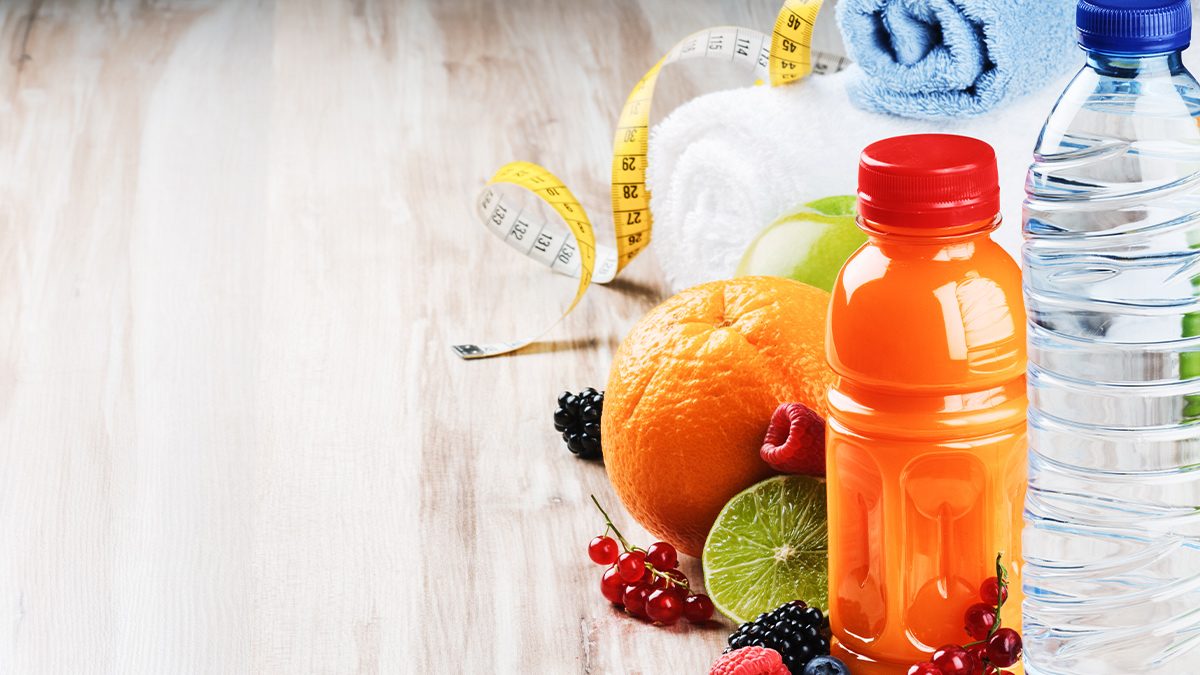
Water is a great everyday drink for young athletes, so aim to drink regularly throughout the day rather than waiting until you’re really thirsty just before kick-off. Staying topped up with fluids can help you feel more comfortable and ready to play.
For longer or particularly demanding training sessions, coaches and parents can speak to a qualified sports dietitian about whether additional drinks or fuelling strategies might be useful. For everyday training and matches, young athletes generally don’t need to rely on specialist sports products. Keeping things simple with regular meals, snacks and plenty of water is often all that’s needed.
What should young players avoid before a match?
There’s no official list of “forbidden” foods before a match, but some choices might leave you feeling more uncomfortable than match-ready! The golden rule is to stick with foods you know work well for you and avoid anything that could leave you feeling too full or unsettled.
Before playing, it’s generally best to avoid:
- Very large meals right before kick-off
- Foods you’ve never tried before
- Anything you already know doesn’t agree with your stomach
- Very greasy or unusually heavy meals just before playing
Match day is all about sticking with what you know. Save the food experiments for another day and choose something familiar that helps you feel comfortable, fuelled and ready to get out there!
Why does young athlete nutrition matter?
Good nutrition for young athletes is about much more than what happens on match day. Food helps support growing bodies, learning, everyday activities, recovery and all the sport they love.
That’s why youth athlete nutrition should be about building positive, healthy habits rather than worrying about body shape or weight. The goal is to give growing athletes the fuel they need to feel good, enjoy their food and get stuck into the activities they love.
Good nutrition means eating enough, enjoying a variety of foods and having regular meals and snacks. It’s also about learning to recognise when you’re hungry or thirsty and understanding how food and fluids can help support training, matches and recovery.
For parents and coaches, sports nutrition should be practical, positive and easy to put into everyday life. It’s all about fuelling growing bodies, enjoying sport and building healthy habits that can stick around long after the final whistle.
Simple pre match meal ideas
If you’re looking for easy pre match meal ideas, try keeping a shortlist of familiar meals that the player already enjoys:
1. Porridge + banana + milk
A simple breakfast option for a morning fixture.
2. Pasta + tomato sauce + chicken
A straightforward pre match football meal for a later fixture.
3. Rice + chicken + cooked vegetables
A versatile meal that can be adapted to the player’s preferences.
4. Potato + beans + fruit
A simple option that provides carbohydrate and protein.
5. Toast + eggs + fruit
Useful for breakfast or an earlier meal, depending on the player’s schedule.
6. Cereal + milk + banana
An easy option when a young player prefers something light and familiar.
The match-day takeaway
There isn’t one magic answer to what to eat before a match. The best approach for a young player is usually simple: eat regular, balanced meals; include carbohydrate to provide energy; choose familiar foods; drink regularly; and avoid experimenting with new foods immediately before competition.
Ultimately, good match preparation starts well before kick-off. Eating enough across the day, staying hydrated and enjoying a varied diet can help young players support both their sport and their growing bodies.
Ready for Your Next Football Challenge?
If you’re looking for a chance to put your training to the test, why not make 2027 your year for a Sports Tours Football Tournament Weekend?